
This blog article was inspired by an IG video I watched recently, then this curious question struck and decided to do further research and see where it leads me.
And of course it led me back her to share with you my amazing discovery on this subject matter.
Well, I hope you read till the end, there’s so value much to grasp from this piece.
So let’s get down with it…
It’s no doubt that pegnancy is a time of joy, anticipation, and conscientious decision-making.
(PS: never experienced it but learned a thing or two from experienced women😁)
Moving on…
From choosing the right prenatal vitamins to making dietary adjustments, expectant mothers should carefully consider every aspect of their health to ensure a safe and healthy pregnancy.
While herbal teas are often celebrated for their potential health benefits, it’s essential for pregnant women to be aware of potential risks associated with certain ingredients.
In this article, I hope to shed light on the concerns surrounding hibiscus tea, commonly known as Zobo, and offer some help advice on making informed choices during pregnancy.
Before I go in-depth with this discussion,
Hibiscus tea, with its vibrant color and refreshing taste, has gained popularity for its rich antioxidants and vitamin C content.
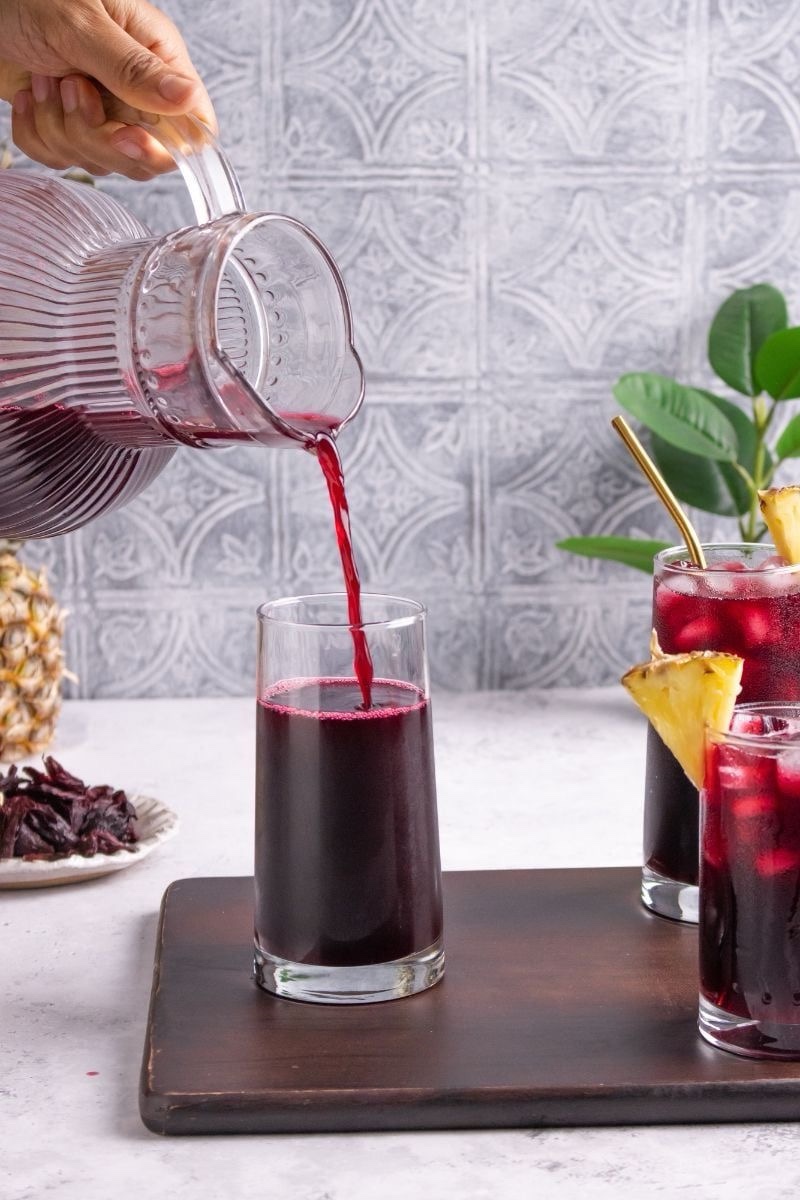
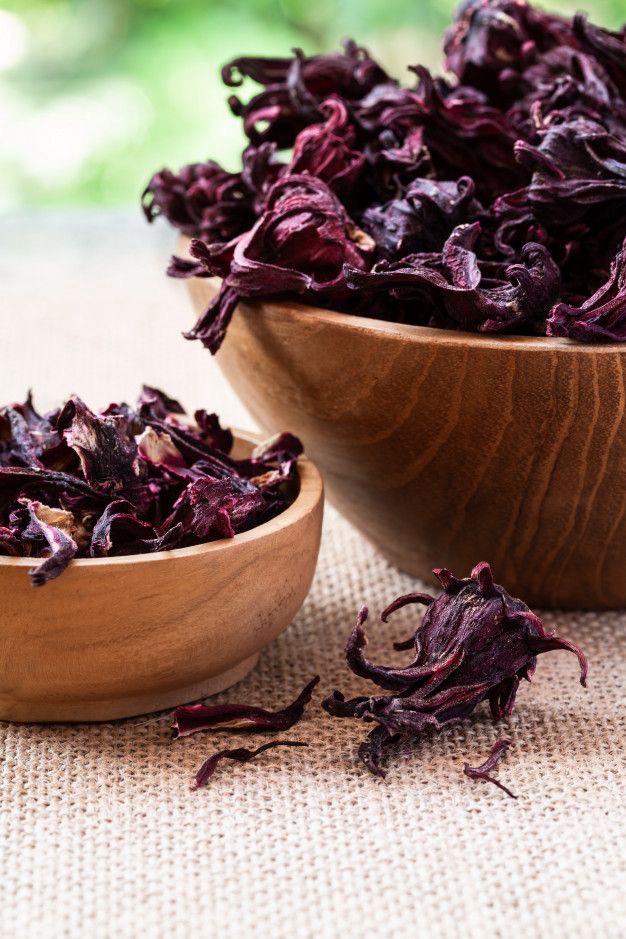
However, it contains compounds, particularly anthocyanins, that have been associated with uterine stimulant effects.
These effects raise concerns about potential risks during pregnancy, as increased uterine activity could lead to complications.
Understanding its Risks:
Did you that there is aspecific ingredient in hibiscus tea that raises concerns?
This ingredient is likely to be anthocyanins, which are pigments responsible for the red color of the tea.
This ingredient have been suggested to have uterotonic effects, meaning they may stimulate contractions of the uterus.
Additionally, this uterotonic effect could potentially alter hormone levels and blood pressure, posing a risk to both the mother and the developing fetus, especially in the early stages of pregnancy.
Several studies have suggested a correlation between the consumption of high amounts of hibiscus tea and an increased risk of complications, including miscarriage.
While individual reactions vary, it’s crucial for expectant mothers to exercise caution and be aware of the potential risks associated with certain herbal teas.
Consult Your Healthcare Provider:
It’s evident that pregnancy is a unique journey for every woman, and what works for one may not be suitable for another and vice versa.
To navigate this delicate period, it’s imperative for pregnant women to consult their healthcare providers before introducing new elements into their diet, including herbal teas.
That said, healthcare providers can offer personalized advice based on individual health conditions and the specific circumstances of the pregnancy.
Open communication with your healthcare team ensures that you receive guidance tailored to your needs, helping you make informed decisions about what is safe and beneficial for you and your baby.
⚠️ Try not to self-medicate in such conditions.
Moderation is Key:
If you’ve been a fan of hibiscus tea before pregnancy, the good news is that moderation is often the key.
Occasional and moderate consumption of hibiscus tea may be tolerated by some pregnant women without adverse effects.
However, it’s crucial to be mindful of the quantity consumed and to pay attention to how your body reacts.
Keeping track of your hibiscus tea intake and any potential changes in your well-being can help you identify any adverse reactions.
If you experience discomfort, unusual symptoms, or have any concerns, it’s essential to promptly consult your healthcare provider for guidance.
Exploring Safe Alternatives:
While hibiscus tea may be off the menu for some pregnant women, there are plenty of alternative herbal teas that comes to mind that are generally considered safe during pregnancy.
Alternatives like ginger tea, peppermint tea, and even cloves tea are popular choices that come with their own set of potential health benefits and are often well-tolerated by expectant mothers.
📌PS: I’m working on a qualitative meta- synthesis review study that will throw light on the benefits of cloves to female reproductive health.
It’s important to choose herbal teas that are caffeine-free and do not contain ingredients with known risks during pregnancy.
As with any dietary choice during pregnancy, moderation remains key to a balanced and healthy approach.
Conclusion:
Pregnancy is a time to prioritize self-care and make choices that contribute to the well-being of both mother and baby.
While hibiscus tea is enjoyed by many for its flavor and potential health benefits, it’s essential for expectant mothers to be aware of the potential risks associated with its consumption.
Consulting with healthcare providers, practicing moderation, and exploring safe alternatives can empower pregnant women to make informed decisions about their diet and overall well-being.
By staying informed and seeking professional guidance, expectant mothers can navigate their pregnancy journey with confidence, ensuring the best possible outcomes for themselves and their precious little ones.
That said, I’ll be back to this blog article when I even experience and go through this phase, and update these information over time of course prior to my research as well.
Hope you enjoyed reading this piece as much as I enjoyed writing it. See you in my next blog article.
Feel free to check out the other SERVICES I offer 👉 HERE
