Absent Fatherhood Series

Authority Without Presence Breeds Resentment

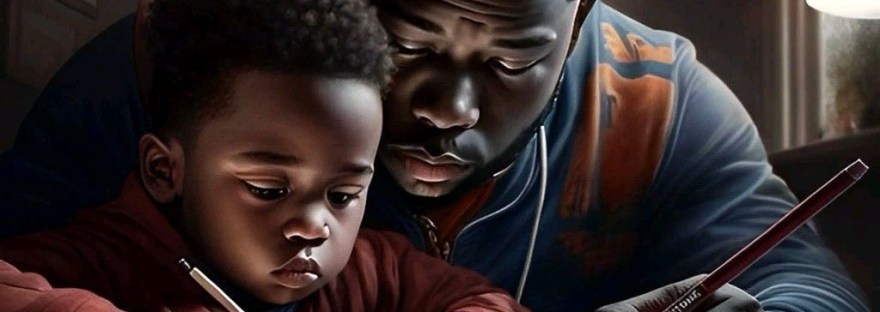
Children don’t just respect titles; they respect availability. They may obey a title for a while, but what shapes their hearts is presence. Time. Consistency. Safety. The quiet knowing that someone will show up not just to correct them, but to know them. A father who demands obedience without relationship creates fear, not honor. And fear is a poor foundation for love.In childhood, fear can look like respect. The child stays quiet. Listens quickly. Falls in line. But what we often fail to see is what’s happening underneath. The questions they’re afraid to ask. The emotions they learn to hide. The parts of themselves they slowly shut down just to survive the environment. Authority without presence teaches children compliance, not connection. It tells them, “Do as I say, not because you trust me but because I have power over you.” And power without warmth always wounds.

Absent Fatherhood Series

The Silent Burden on the Wife

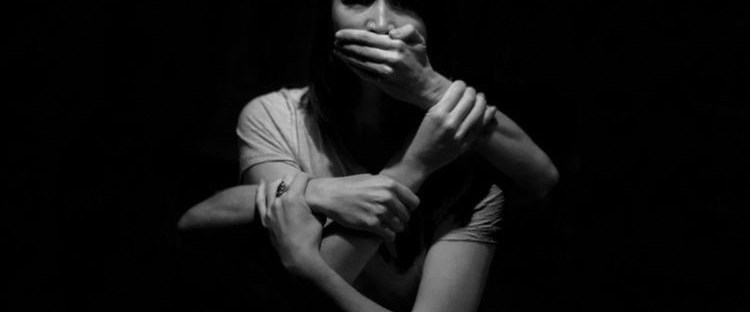
A woman doesn’t just marry a man. She marries his unfinished upbringing. She marries what was nurtured and what was neglected. She marries the lessons he was taught and the ones he was never given language for. And often, she carries the weight of that silence. She endures emotional neglect disguised as “I’m not expressive.” Not because she needs constant words, but because connection requires presence. And absence “emotional absence” slowly teaches her to ask for less, to shrink her needs, to stop reaching. She navigates conflict avoidance masked as “I hate drama.” But avoiding conflict doesn’t create peace, instead it creates distance. So she learns to swallow conversations, postpone truth, and carry unresolved tension alone, while being told silence is maturity. She lives under authority without accountability. Leadership that demands respect but resists responsibility. Decisions made without dialogue. Power asserted without protection. And when things go wrong, the burden quietly shifts back onto her shoulders. She witnesses pride without protection. A man too proud to apologize, too proud to seek help, too proud to admit fault yet not present enough to shield her emotionally. She becomes strong not because she wanted to be, but because someone had to hold everything together. And when she finally speaks—when the weight becomes too much—she’s told she’s “too emotional.” That label hurts more than people realize.

Absent Fatherhood Series

Emotional Illiteracy in Men

There is a quiet crisis many people don’t have the voice for and it shows up most clearly in our homes, our marriages, and our relationships. Let’s call it “Emotional Illiteracy” Emotional illiteracy in men isn’t about a lack of intelligence or strength. It’s about a lack of teaching. A lack of modeling. A lack of permission. Many under-fathered men were never taught how to name emotions. Not beyond angry, fine, or tired. No one sat them down and said, “What you’re feeling is disappointment,” or “That tightness in your chest is fear.” So feelings stayed locked inside, unnamed and unmanaged. They were never taught how to regulate anger only how to suppress it until it exploded, or express it through control, sarcasm, or intimidation. Apologies weren’t modeled either. Not the sincere kind that says, “I hurt you, and I take responsibility,” without excuses or deflection. And sitting with discomfort? That was never an option. Discomfort meant weakness. Vulnerability meant danger. So what happens instead? Silence becomes the language. Aggression becomes the shield. Withdrawal becomes self-protection. Dominance becomes a substitute for emotional safety. And often, the women in their lives pay the price… Sad!!!😔 But hey, is this a conversation you’d like us to continue? Join me at imotivateblog.co.uk Cheers!!!❤️